


Deburring Stainless Steel Without Scratching: Expert Methods & Machine Selection
Mar 20 ,2026
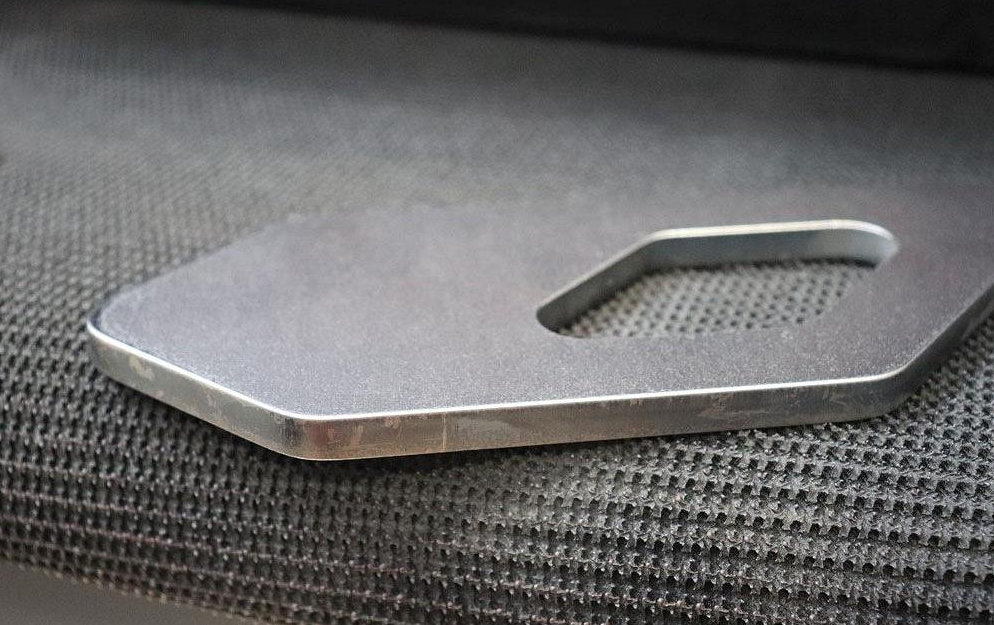
Why Stainless Steel Scratches Easily During Deburring
- Surface Sensitivity: Stainless steel’s exposed faces demand an impeccable finish; any scratch is immediately visible.
- Aggressive Burrs: Cutting operations produce hard, uneven burrs requiring careful removal—poor technique quickly gouges decorative surfaces.
- Incorrect Abrasives: Using coarse belts or unsuitable chemistries leaves deep, unsightly marks.
- Human Variability: Manual deburring yields inconsistent results and increased risk of burnished “scratches.”
Improper tooling or technique means more polishing, longer cycle times, and higher costs for shops aiming at high-quality standards.
Common Deburring Methods and Their Pitfalls
Manual Grinding
Handheld grinders and flap wheels are favored for small runs and complex shapes. Yet, hand pressure and motion inconsistency often lead to uneven finishes and surface scratches, especially on stainless steel.
Wire Brushes
Wire brushes are effective for light burrs and paint residues, but bristle contact can mar the surface, and embedded particles may oxidize, compromising appearance and durability.
Belt Sanders
Standard belt sanders offer speed, but improper feed rates, excessive pressure, or poorly chosen abrasive belts can quickly damage flat sheet surfaces or remove too much material.
For industries requiring flawless finishes, traditional methods generally force additional steps—polishing, passivation, or even costly rework.
Deburring vs. Edge Rounding: Distinctions
Deburring
Deburring removes sharp or protruding burrs from cut, punched, or sheared edges, ensuring safety and functional assembly. The goal: edges that won’t cut hands, with no loose particles to interfere.
Edge Rounding
Edge rounding takes deburring further. It forms a smooth, regular radius—often 2 mm—around the part’s periphery. This improves coating adhesion, reduces corrosion risk, and enhances appearance and safety.
For industries like kitchen equipment and appliance panels, edge rounding is a standard requirement—not just for safety, but for visual appeal and durability.
Modern shops are increasingly adopting dedicated edge rounding machines to achieve consistent, scratch-free results.
Edge Rounding Machines: Transforming Quality
- Consistent Edge Radii: Machines deliver repeatable edge rounding across batches.
- Targeted Abrasive Action: Settings ensure that only edges—not flat surfaces—are affected.
- Scratch Prevention: Guided abrasive engagement protects the sheet’s face.
- Production Efficiency: Automated passes outpace manual labor and yield uniform aesthetics.
Machines such as stainless steel deburring and edge rounding systems enable “one-pass” treatments—removing burrs and achieving visually pleasing radiused edges with minimal risk.
Choosing the Right Abrasive Belt Grit for Stainless Steel
| Grit Range | Application |
|---|---|
| 60–80 | Heavy burr removal; first pass after laser cutting or punching. Control feed and pressure to avoid gouging. |
| 120–180 | Standard deburring and initial edge rounding; balances material removal with surface quality. |
| 220–320 | Fine finishing for visible surfaces; yields smooth, refined radius without coarse scratches. |
Use a sequenced approach (coarse → medium → fine) for optimal results. Proper belt composition—aluminum oxide, zirconia, or ceramic abrasives—and heat-minimizing designs are crucial for stainless steel.
Document belt sequences for each job to ensure repeatability and reduce trial-and-error in production.
Dry vs. Wet Deburring Machines: What You Need to Know
Dry Deburring Machines
- Operate without coolant—lower maintenance, no fluid disposal requirements.
- Ideal for many stainless steel jobs if dust extraction is managed.
- Lower capital cost, faster deployment in most shops.
Wet Deburring Machines
- Use coolant or lubricants; reduce heat and dust.
- Produce smoother surface finishes and reduce risk of discoloration.
- Require fluid management and more complex maintenance.
Choose based on production volume, surface finish requirements, and shop infrastructure. Both dry and wet types can achieve scratch-free results with the right process control.
ADV Machinery Model Codes Explained
- Width Numbers (e.g., 300/1000/1500): Indicate maximum processing size.
- W: Wet system (e.g., RW models).
- S: Wide sanding belt configuration.
- R: Roller or rotary stage.
Example breakdowns:
- 508 RW SERIES: Dry system with wide belt and roller for panel finishing.
- 1000 RR: Wet roller system ideal for stainless sheets and top-grade finishes.
- 1500RS: Wide, high-capacity lines for large panel production.
Multiple stations may be configured to combine heavy burr removal, edge rounding, and fine finishing—delivering integrated, automated results.
Practical Tips for Scratch-Free Deburring
- Clamp and protect surfaces: Use fixtures or shields so belts only contact edges.
- Abrasive sequence: Move from coarse to fine in a controlled workflow.
- Adjust feed and pressure: Slower feeds and proper pressure deliver smoother radii and minimized marking.
- Choose belt chemistry: Select abrasives engineered for stainless—resist loading and heat.
- Wet processing for high volumes: Improves appearance and reduces heat risk.
- Test real parts: Always validate machines and belt sequences on production parts—hole geometry, flanges, and radius consistency matter.
Conclusion
Achieving burr-free, scratch-free edges on stainless steel requires more than operator skill—it demands well-engineered machines, correct abrasive selection, and process discipline. Manual methods may suffice for low volumes, but for consistent cosmetic quality, modern edge rounding and deburring systems are essential.
By sequencing abrasives, choosing the right machine (dry or wet), and protecting flat surfaces, manufacturers unlock higher productivity, reduced post-processing, and superior product value. For those considering new deburring solutions, trial runs and documented settings are key to repeatable, high-quality outcomes.
Key Takeaway: Invest in the right equipment and process—your stainless steel parts will stand out for both performance and appearance.