


508 Deburring Machine: Fast, Consistent Deburring for CNC Plasma-Cut Parts
Nov 6 ,2025
Adv 508 series deburring machine and its role in quickly cleaning CNC plasma-cut parts.
Introduction CNC plasma cutting delivers fast, affordable metal parts, but the process leaves burrs, slag, and burn marks on edges. Manual deburring is labor-intensive, slow, and inconsistent, becoming a bottleneck in production. The Adv 508 deburring machine represents a class of compact, automated solutions designed to clean plasma-cut parts quickly and uniformly, reducing handling, improving edge quality, and boosting throughput. This article explores why rapid deburring matters for plasma-cut parts and how a model like the Adv 508 can fit into a modern fabrication workflow.
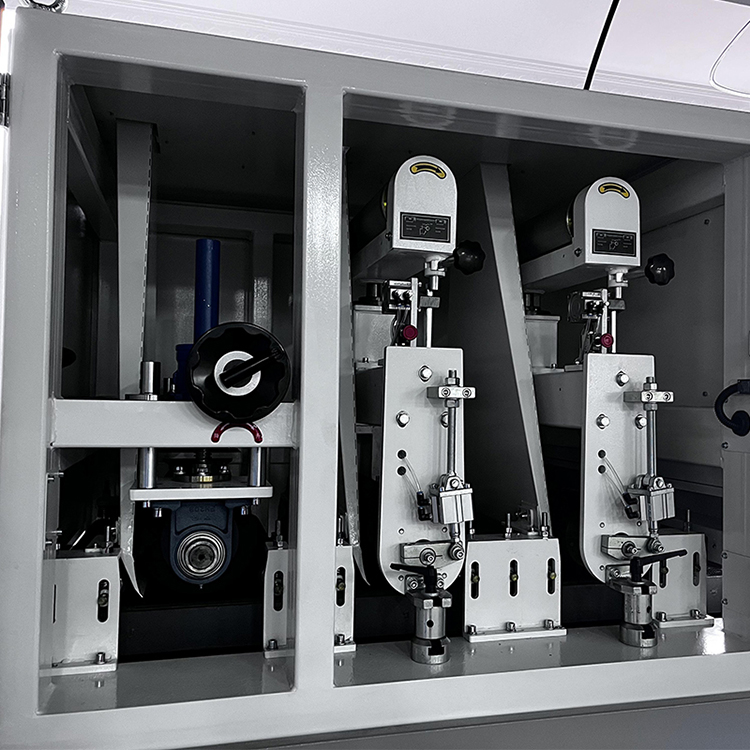
deburring and edge rounding
Why plasma-cut parts need deburring
- Edge quality: Plasma cuts often leave sharp burrs and slag along the cut edge, which can hinder assembly, reduce fatigue life, or damage mating parts.
- Safety and handling: Burrs pose laborsome safety risks to operators and increase the chance of cuts during handling.
- Downstream processes: Edges that aren’t deburred can interfere with painting, coating, welding, or fit-up, leading to defects and rework.
- Throughput pressure: Shops frequently balance cutting speed with post-cut cleanup. A fast, automated deburring step can dramatically shorten lead times and improve consistency.
What the Adv 508 aims to deliver Note: specifications vary by model and configuration. The following highlights reflect common capabilities of compact, automated deburring systems designed for plasma-cut parts and are representative of what a model like the Adv 508 might offer to maximize speed and consistency.
- Automatic batch handling: Infeed and outfeed conveyors or freestanding fixturing allow continuous loading and unloading, minimizing operator touch time.
- Multi-stage finishing: A sequence of processes (deburring, edge refinement, and optional polishing or deslagging) helps deliver clean edges in a single pass or in just a few cycles.
- Programmable cycle times: Software-controlled programs let shops tailor deburring intensity and duration for different part families, improving speed for simple parts and accuracy for complex profiles.
- Media and abrasive options: A choice of consumables (ceramic, silicon carbide, plastic media, or bonded abrasives) provides effective edge cleanup while preserving part geometry.
- Dust and fume control: Integrated dust collection and splash/waste containment help maintain a safer, cleaner work area and support compliance with housekeeping standards.
- Ergonomics and safety: Enclosed or guarded chambers, interlocks, and accessible doors balance operator safety with ease of maintenance.
- Footprint and energy efficiency: Compact footprints and energy-conscious design make the Adv 508 well-suited for shop floors with limited space or tight power budgets.
How it fits into a CNC plasma workflow
- Pre- and post-cut synergy: Deburring often sits between cutting and finishing steps. An automated deburring cell can be positioned directly after plasma cutting, with parts fed from the plasma machine’s output stacker.
- Throughput alignment: If plasma cutting produces batches at a rapid cadence, the Adv 508 can be programmed to process successive batches with minimal downtime, keeping downstream processes (coating, assembly) on schedule.
- Consistency and quality: Automated deburring delivers repeatable edge radii and slag removal, reducing variability that can occur with manual deburring and decreasing rework rates.
- Operator focus: By handling repetitive edge-cleanup tasks, the machine frees operators to supervise multiple work cells or to manage feeding and loading, increasing overall labor efficiency.
Best practices to maximize speed and quality
- Batch sizing: Group parts by similar shapes and edge conditions to maximize cycle efficiency; avoid mixing highly uneven parts that slow processing.
- Pre-cleaning: A light pre-clean to remove loose slag can improve deburring consistency and reduce cycle time.
- Media management: Monitor media wear and replace or refresh as needed to maintain cutting efficiency and edge quality.
- Cycle optimization: Start with a baseline program and gradually tune cycle times, agitation intensity, and media mix to achieve the desired finish without over-processing.
- Drying/cleaning steps: If the part requires paint or coatings afterward, include a final rinse or drying stage to prevent residue from affecting adhesion.
- Safety discipline: Maintain guard integrity, ensure proper PPE, and keep dust collection maintained to sustain a safe operating environment.
What to consider when evaluating the Adv 508 for your shop
- Part size and weight: Ensure the machine’s loading capacity and chamber dimensions accommodate your typical plasma-cut parts.
- Throughput requirements: Match the machine’s cycle time and batch size to your daily or weekly part volumes.
- Surface finish targets: Define the required edge radii and surface roughness; verify the machine’s ability to consistently meet those specs.
- Automation level: Decide whether you need standalone operation or a fully integrated cell with robot loading/unloading and data logging.
- Maintenance and consumables: Assess media costs, replacement frequency, ease of changeover, and service support.
- Total cost of ownership: Include purchase price, energy use, consumables, maintenance, and potential productivity gains from reduced manual deburring.
A short case-style example (hypothetical) A midsize shop prints steel brackets via CNC plasma cutting and previously spent 25–30 minutes per batch deburring by hand. After integrating an Adv 508-style automated deburring cell, the shop reported a substantial drop in manual handling time and more consistent edge quality across batches. Throughput improved as plasma-cut parts moved directly to deburring, with minimal operator intervention between steps. The result was faster lead times and tighter control over coating readiness.
Conclusion For shops that rely on CNC plasma cutting, deburring is a critical bottleneck that can dictate overall throughput and product quality. An automated solution like the Adv 508 (where applicable to your facility’s exact model and specs) offers the potential to speed up edge cleanup, standardize results, and reduce manual labor. When evaluating a deburring system, focus on throughput compatibility, finish requirements, media management, and safety. With the right configuration, you can turn a cumbersome post-cut step into a reliable, fast, and repeatable part of your manufacturing workflow.