


Industrial Metal Polishing Machines: A Complete Guide to Types, Applications and Benefits
Oct 16 ,2025
What Are Industrial Metal Polishing Machines?
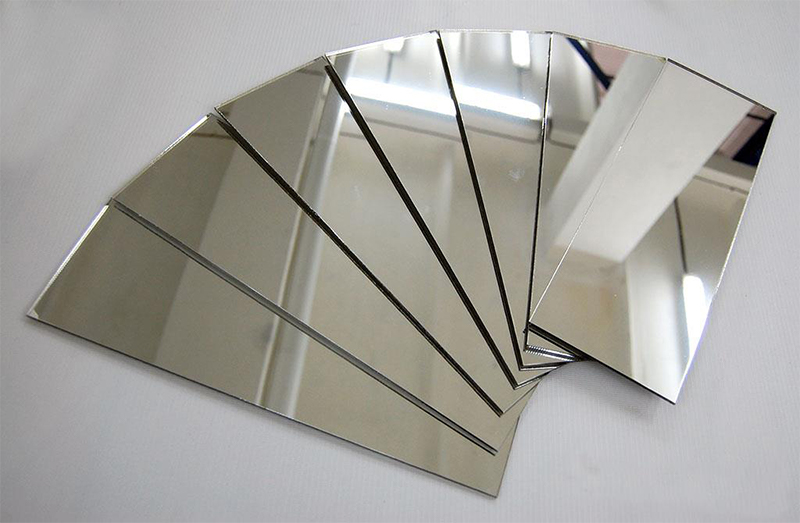
Industrial metal polishing machines are specialized equipment designed to polish and refine metal surfaces in manufacturing and processing settings. These machines remove scratches, burrs, and other imperfections from metal surfaces using various abrasive materials and polishing compounds. They can handle diverse metal objects including sheets, pipes, tubes, cylinders, and other metal products, achieving high-quality polished finishes that enhance both appearance and functionality.
The operation typically involves loading metal objects onto conveyors or fixtures that move them through the polishing process. Polishing wheels or abrasive belts mounted on rotating spindles apply controlled pressure to the metal surface, often through multiple stages using different abrasive materials to achieve the desired finish.
Types of Industrial Metal Polishing Machines
1. Rotary Polishing Machines
These machines feature rotating buffing wheels or mops that operators hold against metal surfaces to achieve uniform polishing. They’re versatile tools suitable for various applications and workpiece sizes, commonly used in both industrial settings and smaller operations.
2. Belt Polishing Machines
Equipped with continuous abrasive belts, these machines provide consistent, automated polishing as workpieces pass through. They’re ideal for high-volume production and polishing large, flat surfaces with minimal operator intervention.
3. Automatic Polishing Machines
These advanced systems employ robotic arms or automated mechanisms to handle workpieces, apply polishing compounds, and execute complex buffing sequences. They offer superior precision, efficiency, and consistency for large-scale manufacturing operations.
4. Buffing Robots
The most sophisticated option, buffing robots utilize robotic arms with multiple joints and actuators to manipulate buffing tools and workpieces with exceptional precision. They’re primarily used in industrial settings demanding the highest levels of accuracy and consistency.
Key Components of Industrial Polishing Machines
- Spindle: The rotating shaft that drives buffing wheels or abrasive belts, typically connected to a motor with adjustable speed controls.
- Buffing Wheel or Mop: Abrasive components made from materials like cotton, felt, or sisal that directly contact metal surfaces.
- Polishing Compound: Specialized mixtures containing abrasives, lubricants, and extenders that determine polishing aggressiveness and finish quality.
- Workpiece Holder/Fixture: Secures metal workpieces during polishing, ranging from simple clamps to complex fixtures for specific shapes.
- Dust Collection System: Captures airborne particles and debris generated during polishing to maintain clean working environments.
- Control System: Regulates machine operation, including spindle speeds, buffing pressure, and compound delivery, often using PLCs or CNC systems.
Applications Across Industries
| Industry | Applications | Benefits |
|---|---|---|
| Automotive | Polishing car bodies, wheels, trim, and interior components | Enhanced aesthetics, improved durability, reduced friction |
| Aerospace | Polishing aircraft wings, fuselages, and engine parts | Reduced drag, improved aerodynamic performance, meeting quality standards |
| Electronics | Polishing housings, casings, and circuit boards | Clean finishes, enhanced appearance, improved functionality |
| Construction | Polishing architectural components like railings and handrails | Visual appeal, durability, corrosion resistance |
| Consumer Goods | Polishing appliances, cookware, and various products | Enhanced appearance, extended lifespan, consistent quality |
Benefits of Industrial Metal Polishing Machines
- Improved Surface Appearance: Achieve high-gloss, professional finishes that enhance product aesthetics and perceived value.
- Enhanced Durability: Remove surface imperfections that can lead to corrosion, fatigue, or premature failure.
- Increased Productivity: Automated systems significantly reduce processing time compared to manual polishing methods.
- Cost Efficiency: Reduce labor costs, minimize material waste, and decrease rework through consistent results.
- Superior Consistency: Maintain uniform finish quality across all production batches.
- Safety Improvements: Minimize worker exposure to hazardous moving parts and airborne particles.
Choosing the Right Polishing Machine
Selecting the appropriate industrial metal polishing machine depends on several factors:
- Material Type: Different metals require specific polishing compounds and techniques.
- Production Volume: High-volume operations benefit from automated systems, while smaller batches may use rotary or belt machines.
- Part Complexity: Simple shapes may use basic fixtures, while complex geometries require advanced holding systems.
- Budget Considerations: Balance initial investment against long-term operational savings and productivity gains.
- Future Expansion: Choose scalable systems that can grow with your business needs.
Maintenance and Best Practices
Proper maintenance ensures optimal performance and longevity of industrial polishing equipment:
- Establish regular cleaning schedules to prevent compound buildup
- Lubricate moving parts according to manufacturer specifications
- Inspect and replace worn buffing wheels and abrasive belts
- Train operators in proper techniques and safety procedures
- Monitor dust collection systems and replace filters as needed
- Keep detailed maintenance records for predictive servicing
Future Trends in Metal Polishing Technology
The industrial polishing sector continues to evolve with several emerging trends:
- Increased Automation: More sophisticated robotic systems with enhanced sensing capabilities
- Smart Manufacturing Integration: IoT connectivity for real-time monitoring and optimization
- Advanced Materials: New abrasive compounds and wheel materials for superior finishes
- Sustainability Focus: Energy-efficient systems and environmentally friendly compounds
- AI and Machine Learning: Predictive maintenance and self-optimizing polishing parameters
Conclusion
Industrial metal polishing machines are indispensable tools for achieving high-quality surface finishes across numerous manufacturing sectors. From versatile rotary polishers to sophisticated buffing robots, these machines offer significant benefits in appearance enhancement, productivity improvement, and cost reduction. As technology advances, we can expect even greater precision, efficiency, and integration capabilities in industrial polishing equipment. Understanding the different types, applications, and benefits of these machines enables manufacturers to select the optimal solutions for their specific needs, ensuring competitive advantages in today’s demanding market.